My wife and I went back and forth for months on what we would name our daughter before she was born. We landed on Agatha. Choosing an old-timey name like that was right on brand for us East LA millennials, but the name actually came from the Tom Cruise movie Minority Report. Remember that one? Tom Cruise wears those badass little gloves to move images around of crimes that haven’t happened yet sourced from clairvoyant “PreCogs.” The strongest and most talented of the three is named Agatha. We didn’t name her after that movie exactly, but I liked the name when I first saw the movie in high school and it was one of the only names my wife also liked. We had one other name option, but when she was born, she just felt like an Agatha.
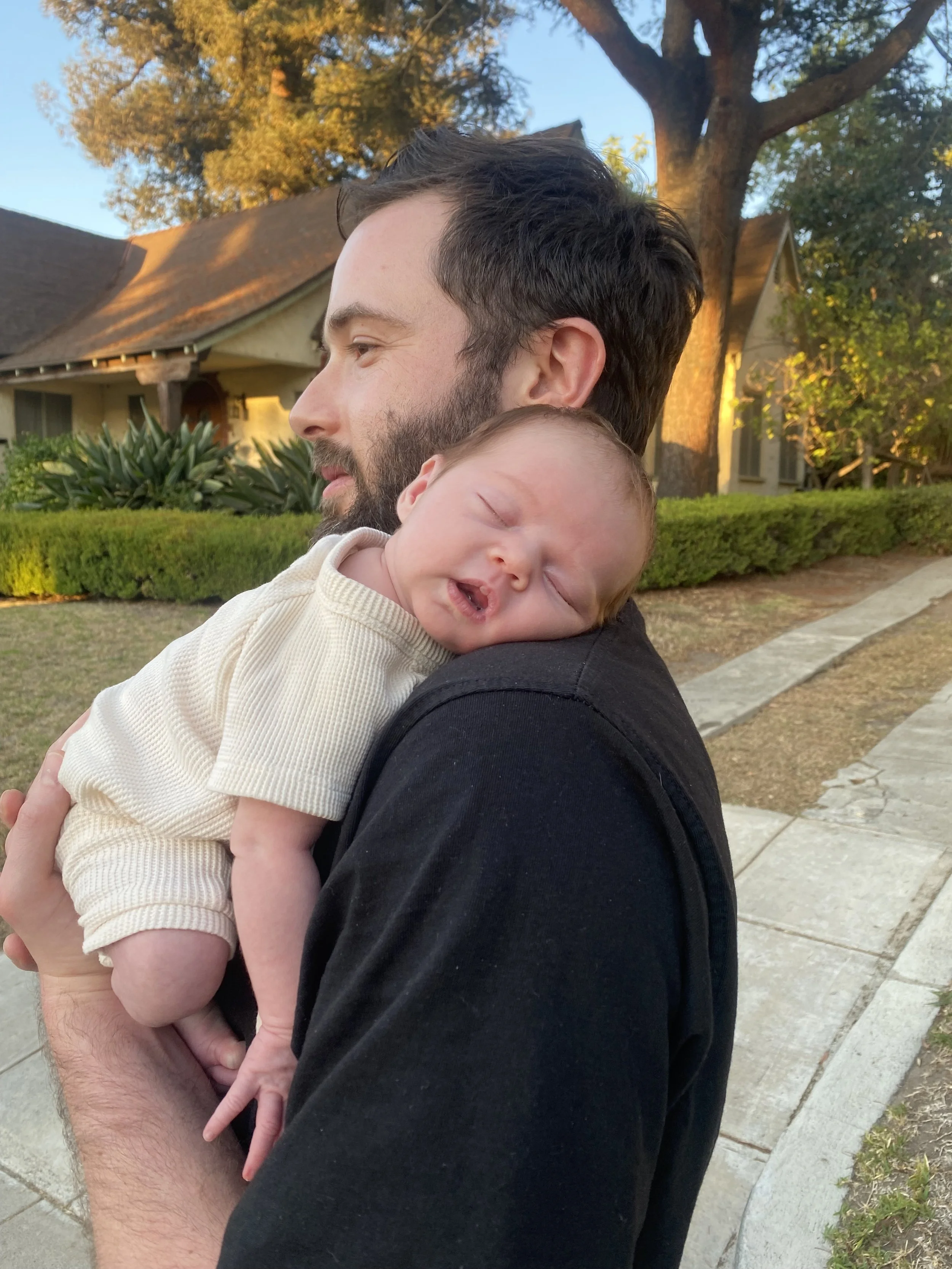
Lawrence on a walk with Agatha, 19 days old.
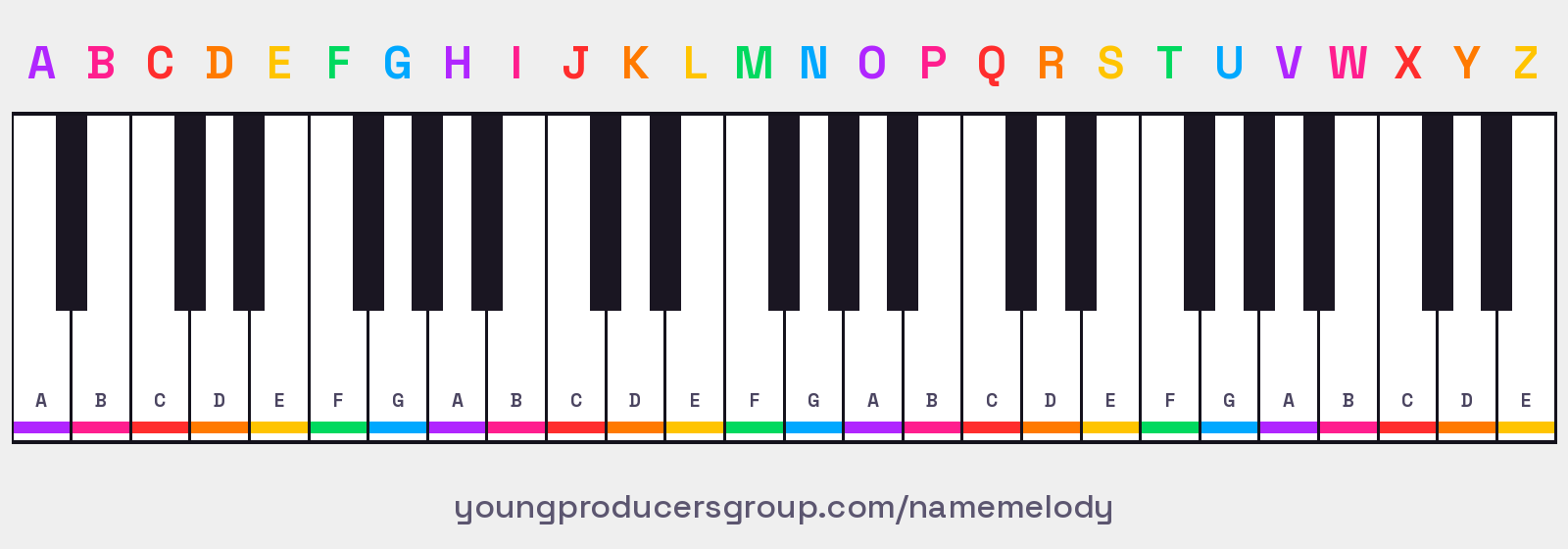
Very early on, I noticed that her name starts on three musical notes: A, G, A. It ends on A too. But what about the T and H? Musical notes only go up to G, so I looped the alphabet back around and kept counting, seven letters at a time. H fell on A. T fell on an F. So Agatha spells out A G A F A A. I put that first A on top and let it fall to the G and F, and there it was: her name melody.
When I would put her to sleep or rock her during those late-night wake-ups, I would sing this little minor melody to her over and over again, spelling her name out as I sang it. It became the lullaby for our most quiet, intimate moments.
Today, Agatha is four years old and just started TK. She practices writing her name every day and I hear her singing her name melody as she writes. I wish I could say that I had the parental intuition to use her name melody to help her write her name, but this is something she arrived at all on her own. Hearing her melody paired with the letters of her name clearly left an impression.
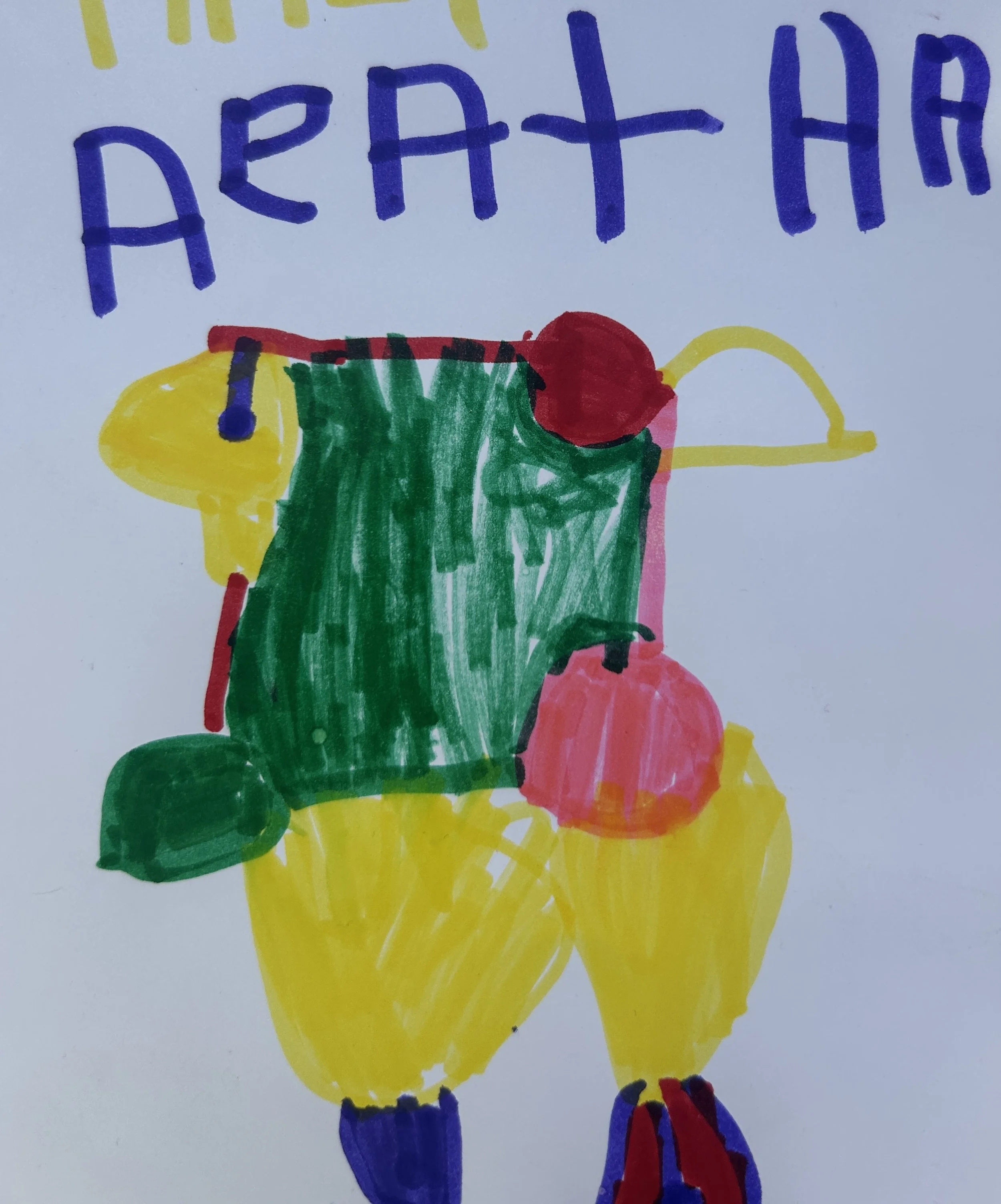
Agatha’s handwritten name (the “g” is backwards 🥹).
All young kids are inherently musical. They sing on the playground, they sing in class, they make up little songs about whatever they're doing while they're doing it. Music comes before words even do, and it's how a lot of early learning sticks. Think about how you know that L comes before M. You almost certainly just heard the tune.
We all know the alphabet song, but that’s where the music usually ends in literacy development. It’s a big leap for the four and five-year-olds out there like my daughter to go from singing that catchy tune to writing out their names on a piece of paper. Having a name melody bridges that gap. Each kid deserves their own melody to help them remember the letters of their name, so we built a name melody generator. You probably want to hear yours too. Type a name in below and hear it.

Your nameis a melody
The first seven letters of the alphabet are also the note names of the white keys on a keyboard. Keep counting and the alphabet loops: H lands back on A, I on B, all the way to Z. Every name is already a melody.
How to use it. Tap any key or letter to hear its pitch. Type a name and press play: the letter in the grid, the key on the keyboard, and the card below all light up together. Colors follow the standard classroom set, which is why H is the same color as A.
Music teachers can use this to personalize notation for students. Instead of random n nursery rhyme schlock, students can notate their names. Put each student’s name melody up on the board and have the whole class play it. Each student is centered in their learning. Hit “Get Sheet Music” to generate a worksheet that prompts students to write out their name and a peer’s.
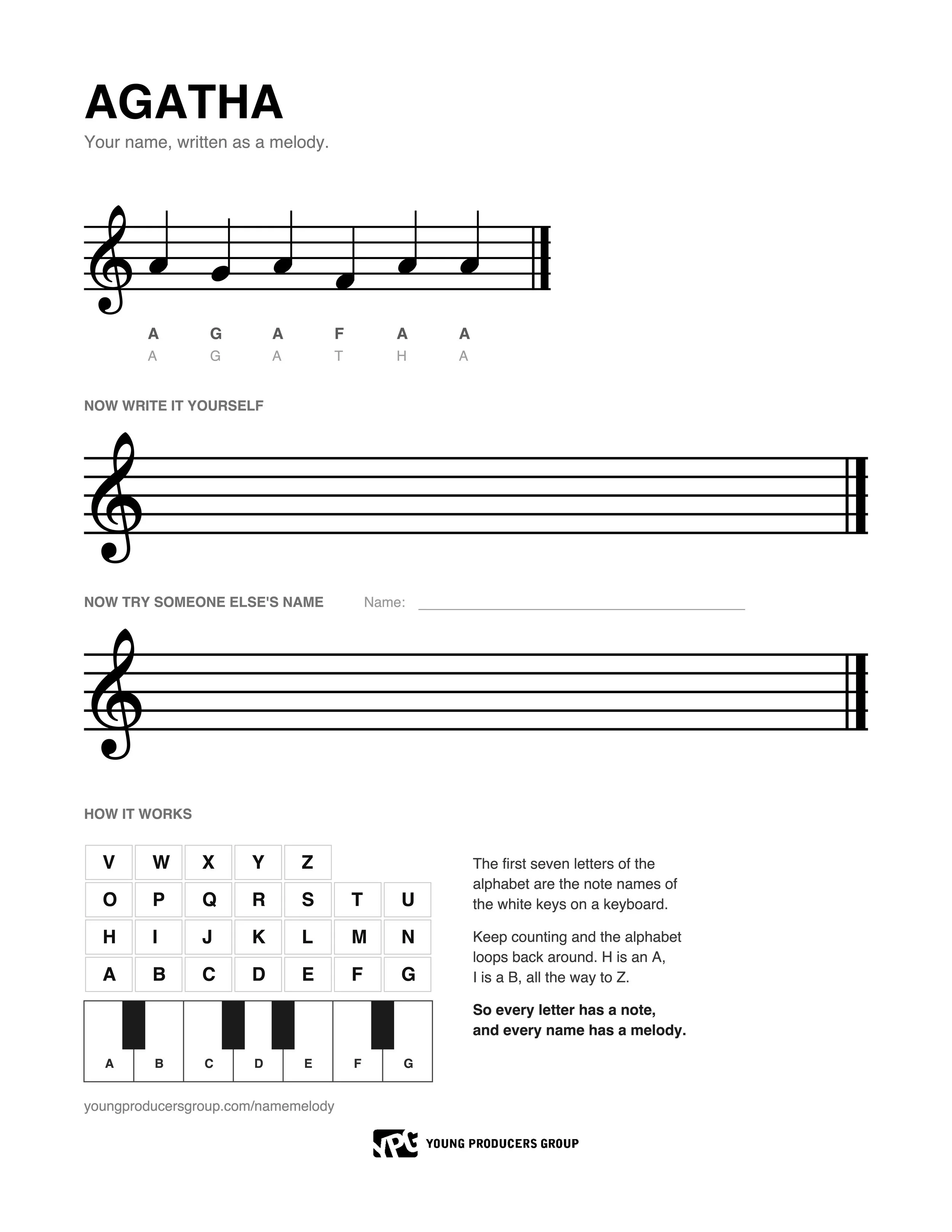
The downloadable worksheets from our “Your Name is a Melody” name melody generator.
Or, hit “Download MIDI” to download a .mid file of a name melody. Students can bring those files into a DAW and make music with their names! Encourage them to change the rhythm, harmonize it, add drums, etc!
Elementary school teachers, use the name melody generator as a fun warm up tool or a literacy development device. The melody becomes a mnemonic to help remember how to spell their names.
Parents, learn your kids’ name melodies and sing them to them. It will become a piece of your family’s culture, part of the family lore, and hopefully something you’ll sing together for years to come.
Check out our post Instagram to learn more and see it in action!
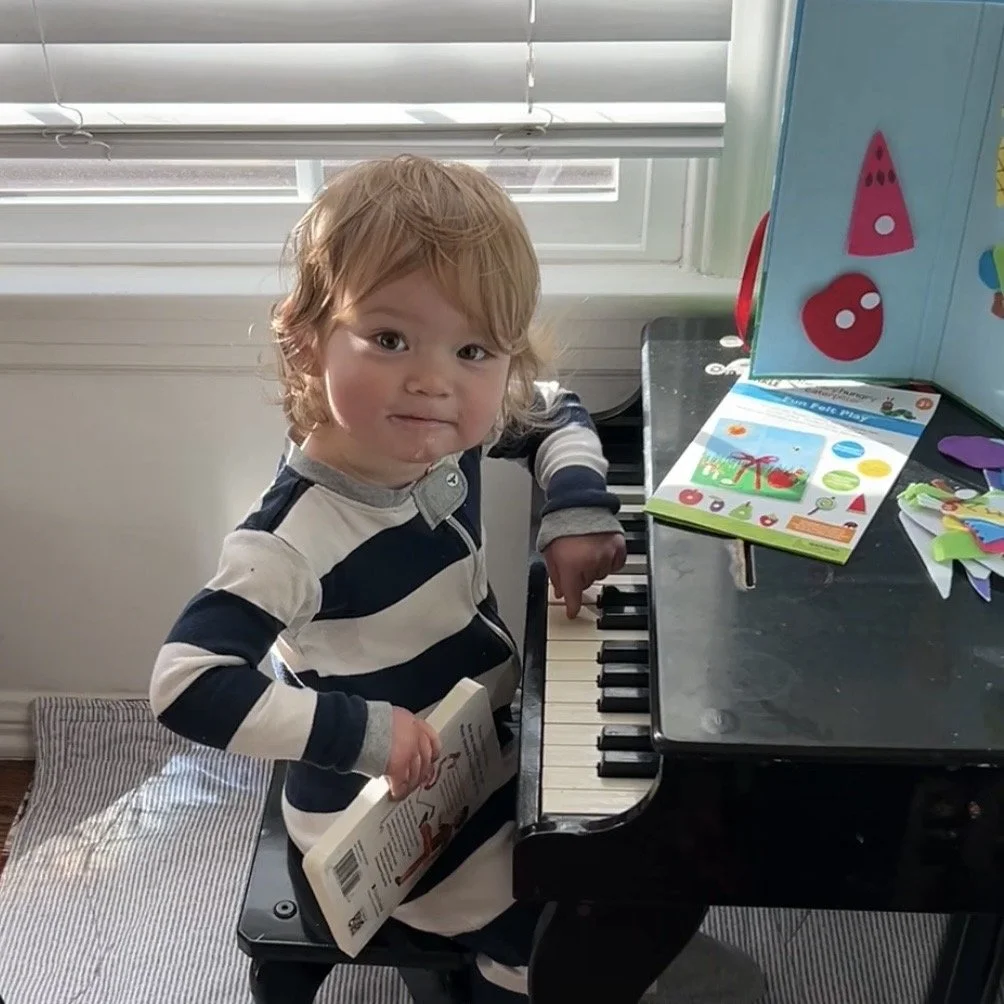
Agatha at the keyboard, 2024.
Young Producers Group creates music production curricula and podcasting resources that center students in their learning and use creativity as an engagement tool. Students are much more likely to buy in if they see themselves reflected in what they’re learning. If they can then take what they’ve learned and make something that speaks to who they are while connecting with their peers as they doing the same, the learning becomes transformative.
While I’m not promising transformation from a name melody, this simple tool gets students singing and connects them to their peers, teachers, and families. But if you can find the music in a name, you’ll start finding it everywhere.