1,376 Songs: A Cross-Section of Creativity in Music Education in 2026
The submission window just closed on the 5th Annual SoCal Beat Battle and the numbers are staggering: 1,376 songs from 954 students taught by 488 teachers across 544 schools. Our submission form prompted students to answer a series of questions about how they made their songs and how their teacher supports their work. What emerges is a powerful dataset, a cross-section of how young people are making music in 2026.
Before we dig into the data, we want to say: the whole YPG team and our partners at Soundtrap are genuinely moved by this response. The YPG team listened to every single song. Thank you so much Southern California for sharing your music with us and for putting yourselves out there!
The Students
Before we look at the larger trends, let’s set the table and understand who exactly participated this year:
954 students submitted across 544 schools in 42 school districts. Even though the name is the SoCal Beat Battle, we had students in Northern California submit and folks as far away as Georgia try to join the fun.
Out of those 954, we had 646 high schoolers (67%), 222 middle schoolers (23%), 49 elementary students (5%). By category, those numbers break down to 76% Producers (1040 songs!!!), 12% Bands and Instruments, and 12% Vocalists.
The submission form asked students to list collaborators. 80% of them worked as part of a team to produce their tracks. Making original music brings students together and fosters creative community at all levels!
The Tools
The submission form asked students to share what software they used to create their tracks. Here’s how those numbers break down:
Soundtrap’s dominance in K-12 is clear. It’s by far the most used DAW in elementary and middle school programs. As students get older, we see them opt for more pro-level software like Ableton, FL Studio, and Logic.
The Music
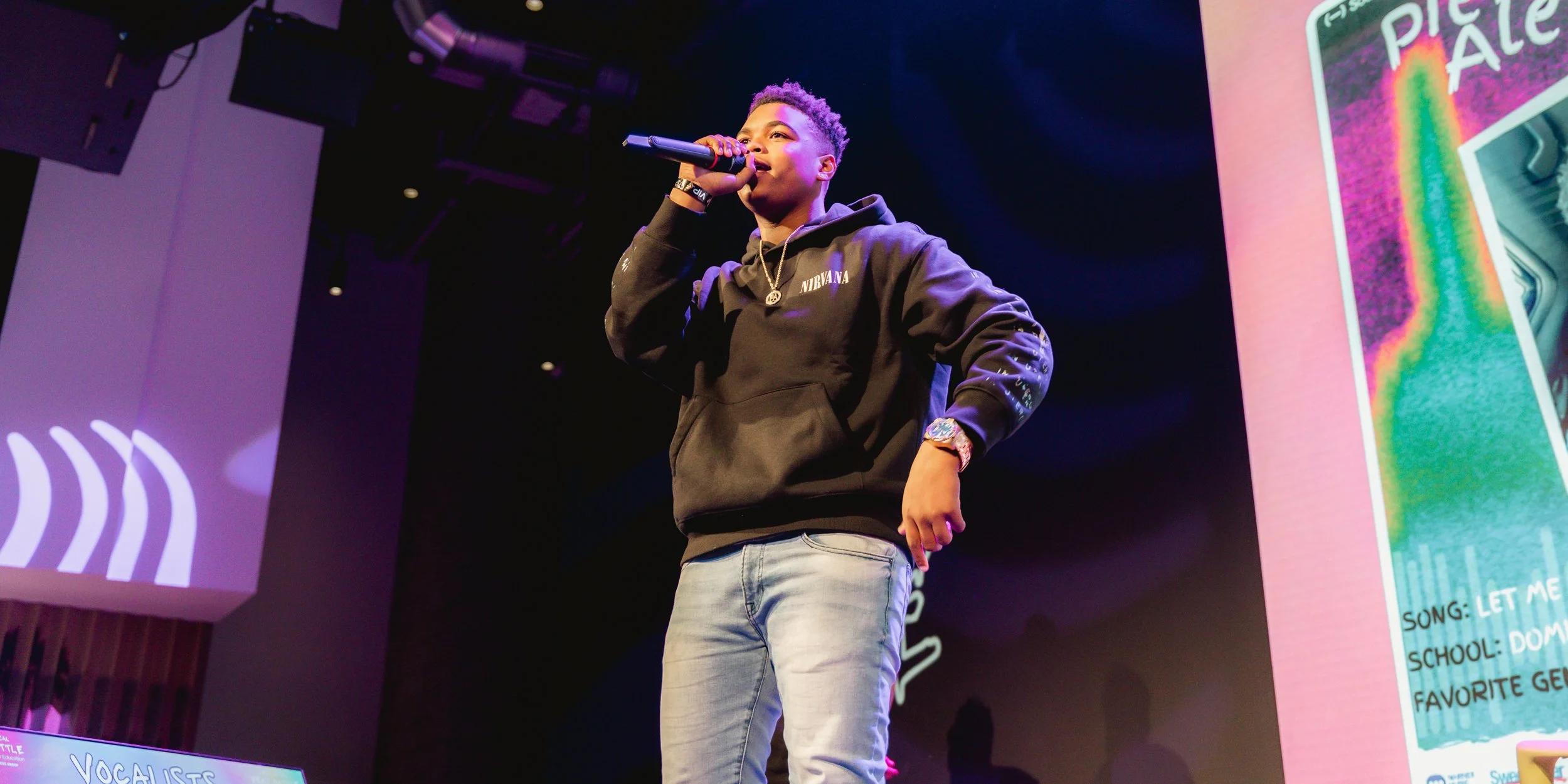
The beat battle submissions hit every genre and then some. We had everything from the heaviest of hip hop to chamber music to death metal to breakcore. In the Bands and Instruments category, we hear students absolutely ripping on their instruments. Many students played every sound on their track, Prince-style, and nailed it. I had to reach out to several parents to check the authenticity of what I was hearing.
It truly boggles the mind to hear what young people are capable of producing in 2026. With tools like Soundtrap available to students for free at school and Ableton Live available for free anytime (email contact@youngproducersgroup.com for free student licenses), curricula like those we produce and the infinite videos of YouTube university, we hear virtuosity peaking at younger and younger ages. 8th graders are making fully professional-sounding beats. Another 8th grader is absolutely shredding on his violin and playing on top of cinematic synthesizers and drums.
It’s easy to feel optimistic about the next generation when you’re listening to music like this!
This year, we also had our first AI submission. An 8th grader submitted a song to the vocalist category with a Celine Dion-level vocal performance. This triggered a red flag in our review process. We’re going to add some “No Suno” language to next year’s rules!
The AI slop, while beautiful, lacks all of the artistry and humanity that resonate from the other 1,375 submissions.
The Artists
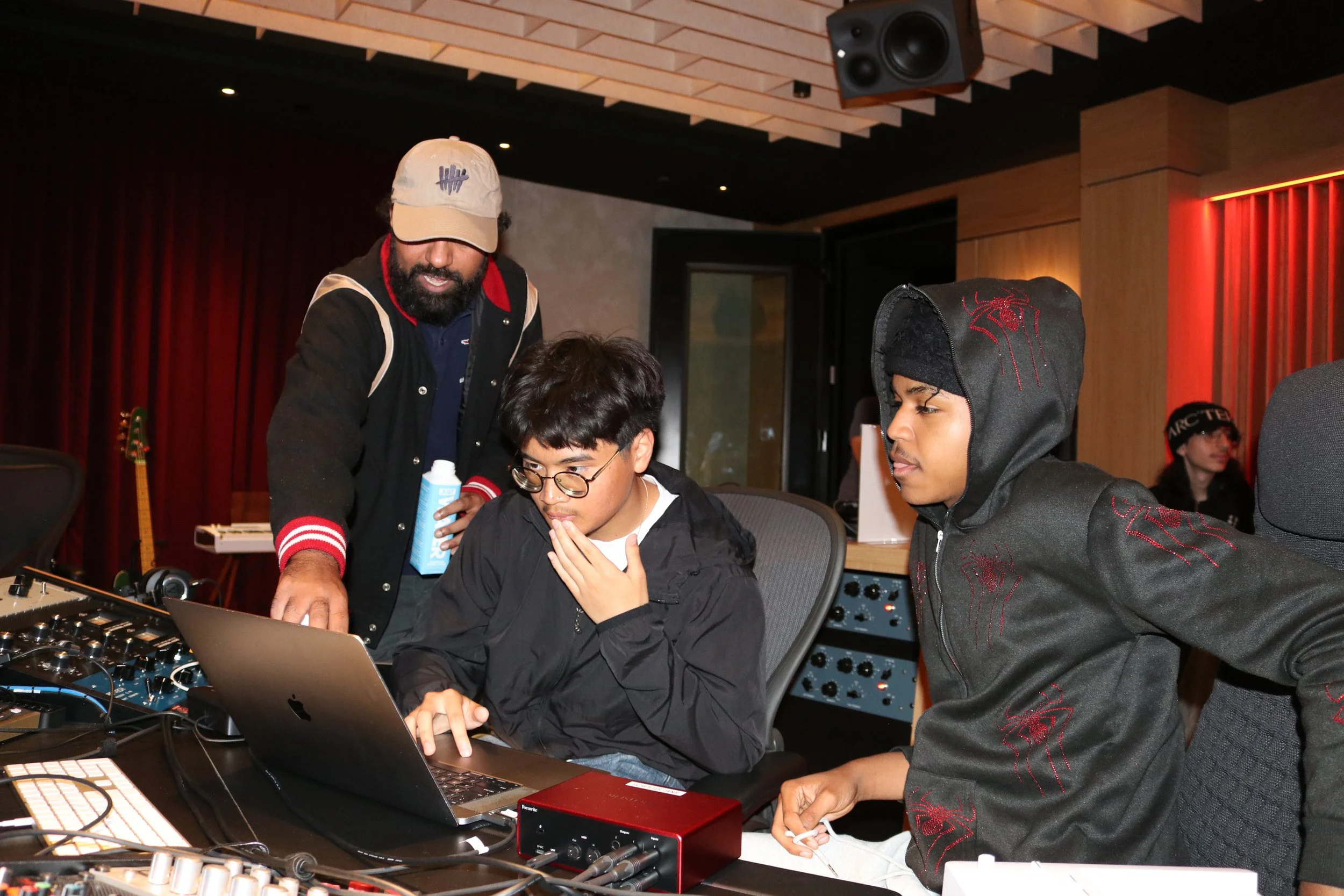
In the submission form, we asked students to “Please give a brief explanation of how you made this song.” 55,533 words later, we have a unique window into the creative thinking and emotional state of the next generation. What follows is a small selection of what students shared, unedited, exactly as they wrote it:
“being a brown trans girl growing up in a transphobic household my whole life has been cursed with that indignation of fighting against that bigotry and through hardcore i find a home. this song was made in 30 minutes getting home from school after i was called into the office and basically put on trial for using the girl's restroom."
“I wrote this song when I was at my worst essentially and realized that I struggled immensely with being vulnerable. I was losing people in my life that I thought were the most crucial to my development and then I realized that it was something I had to overcome myself and I did that through songwriting."
“My goal was to compose a slow, vulnerable song to connect & relate to ongoing, political conflicts such as the ICE raids, the Russia-Ukraine war, the multi-front Israel-Gaza/Middle East crisis. And to be presented as an anti-establishment figure."
“I made this song because I was going through a rough time in my relationship and life. I felt like I was constantly drowning in a position where I can't get out no matter what. It caused me to write a story where I wanted constant peace and I wanted to get away from this form of prison."
We see young people dealing with so much, processing all of it through their music. We hear joy, sorrow, hope, fear, anger, and so many other emotions in their music. While we can only recognize nine of the total submissions as finalists, there are literally hundreds of incredible songs where we hear young people creating the worlds they wish to live in. Making music is not just a thing we do in the studio or in class, it’s how our students are manifesting who they wish to be.
The Teachers
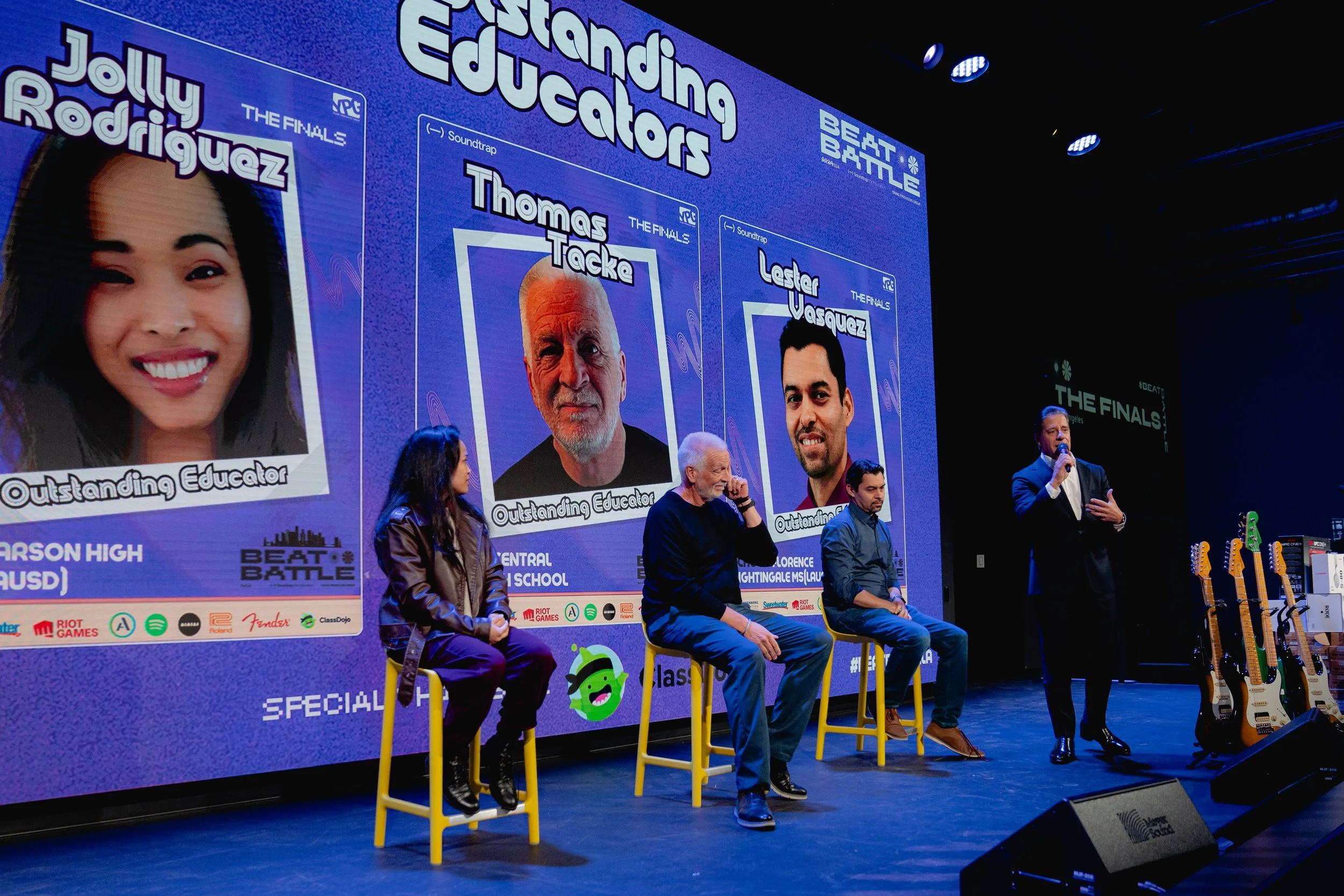
We love to recognize the incredible teachers of Southern California with our Outstanding Educator awards. The submission form asked students “Do you feel like your teacher has made an impact on your musical growth? Please explain how they have inspired or supported you.” This was an optional field and 70% of students chose to write about their teachers. The answers were the most heartening part of all the data. We see powerful bonds between students and teachers where young people are getting the respect, support, and freedom they need to find their voices and create. Just read the quotes below to see what I mean:
“Mr. Simon has changed my life in and out of music. From the first day of stepping into his classroom, I admired him. If I ever wanted to record a vocal, or guitar, Mr. Simon wouldn't think twice but to grab the mic and set it up."
“Ian has had a huge impact on my growth as both a musician and a person. He helped me learn the technical side of production, the vocabulary, and the fundamentals that allow me to walk into any session with confidence. Beyond music, Ian has been an incredible source of support in my life. During difficult times, he has always been there."
“Before I had Mr. Tolson as a teacher I barely knew how to play the guitar, but Mr. Tolson allowed me to open my horizons to all music. Mom going through surgery, grandma getting diagnosed with cancer. Tolson was there to encourage me to write my emotions down and use my craft to express myself."
“Ms. Maguire helped me find my confidence. She believes in my ideas and encourages me to try new things. She does not just focus on one kind of music. She lets us explore hip hop and rap and other styles that connect to who we are. That makes me feel seen and understood."
“Mr. Cowan has taken a chance from the moment I entered Eastside. He made me showcase my talent right away. He has also taught me so many valuable lessons about life and how to carry myself as a young man."
Massive shoutouts to the teachers named above:
Todd Simon at Granada Hills Charter High School
Ian Ellison at the Los Angeles County High School for the Arts
Larenz Tolson at Hamilton High School
Alanah Maguire at UCLA Lab School
Dajuan Cowan at Antelope Valley High School
There were hundreds more entries like this. When students are able to make the music they love and their teachers support them through the creative process, a powerful bond emerges. That bond and the energy in the creative classroom is what matters most—who wins at the beat battle is incidental.
What 1,376 Songs Tell Us
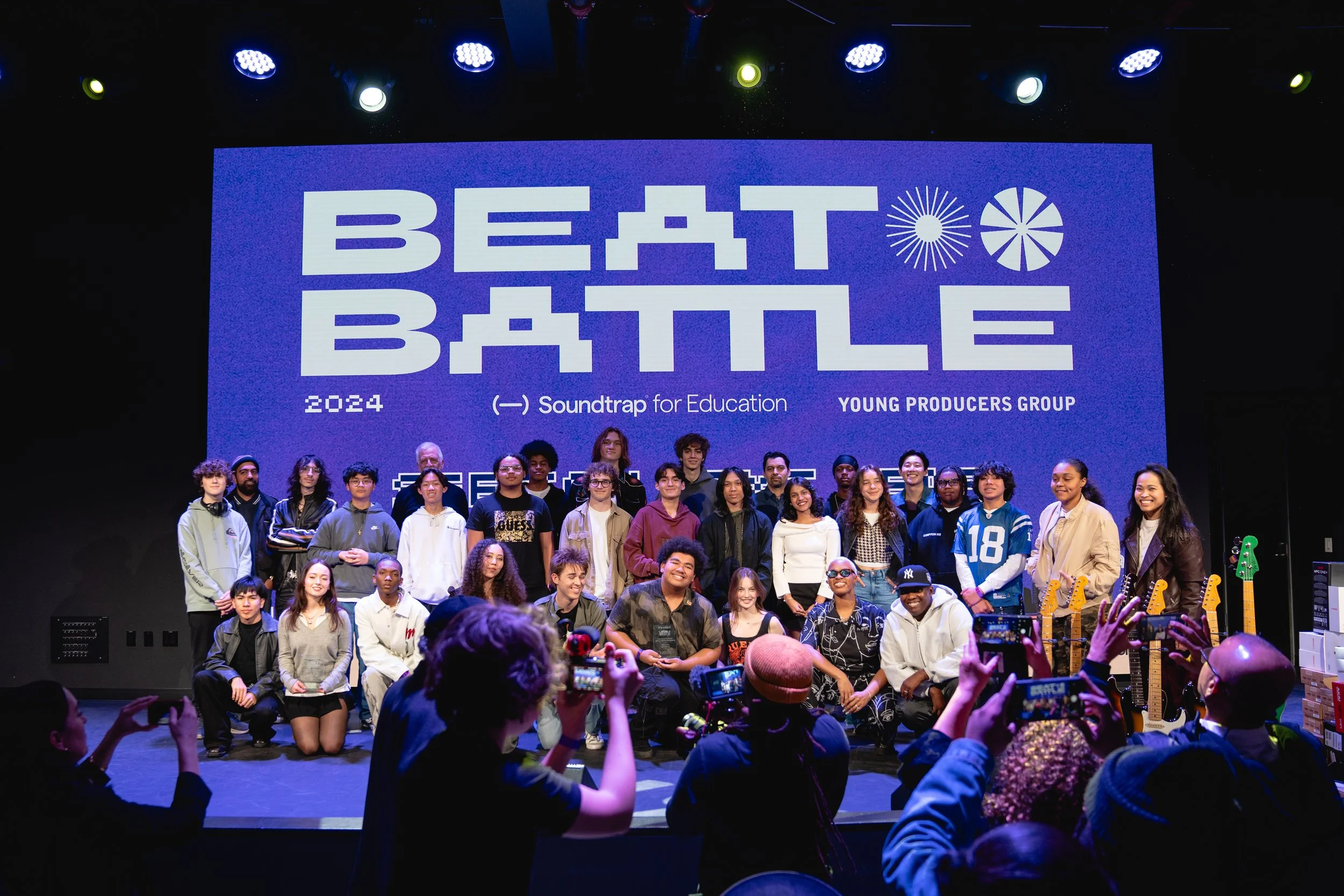
The SoCal Beat Battle is a competition. But the data behind it is something closer to a census, a snapshot of what creative music education looks like when it's working.
Students are making music on school tools and personal ones. They're collaborating constantly. They're writing about things that matter to them. They're being shaped by teachers who believe their work is worth hearing.
Their music is on its way to the judges. We’re excited to name finalists, honorable mentions, and the outstanding educators at the 5th Annual SoCal Beat Battle culmination event on May 21, 2026 at Spotify in Downtown LA. See you there!