
Music Industry
Interviews with GRAMMY-winning, multi-platinum professionals give students real, actionable insight into the music industry.
Grades: 6-12
Cost: $1000/year
Get FREE access to each unit with videos from each industry professional, glossaries, other learning tools now!
Curriculum Overview
This 8-week curriculum gives students a clear, accessible introduction to how the modern music industry works, and how artists and professionals build sustainable careers within it. Through interviews with GRAMMY-winning creatives and industry experts, students learn the essentials of copyright, music law, career development, and the creative process behind professional music-making.
The YPG Music Industry Curriculum can supplement any music, arts, or CTE course. It helps career-minded students understand the business forces shaping today’s industry and gives them a crucial head start as they build their own career paths.
-
Students explore how music industry professionals approach the creative process, including collaboration, decision-making, and the roles different team members play in shaping a project.
-
Students examine the interpersonal and professional responsibilities of a recording engineer, focusing on communication, trust-building, and collaboration with artists and producers to support strong performances.
-
Students gain insight into how the music industry operates by studying the fundamentals of copyright, including ownership, usage rights, and how creative work is protected.
-
Students learn about the role of music lawyers and how legal professionals support artists, producers, and labels through contracts, negotiations, and rights management.
-
Students discover career pathways in the industry, including behind-the-scenes roles that extend beyond performing and producing.
Interviews
-
![]()
Jasper Harris
Interview:
The Creative Process in the Industry
Jasper Harris is a GRAMMY-winning composer and producer from Los Angeles, California. Since leaving NYU after his sophomore year, Jasper has produced records for Baby Keem/ Kendrick Lamar, Lil Nas X, Jack Harlow, Post Malone, Doja Cat, and many more. We’re very proud to claim Jasper as a YPG alum.
-
![]()
Drew Sliger
Interview + Masterclass:
The Recording Engineer
Drew is a Grammy nominated and multi-platinum recording engineer/vocal producer/mixer based in Los Angeles, CA. He’s worked extensively with artists across the industry but is best known for his recording Lil Nas X on several of his biggest tracks.
-
![]()
Hanna Hicks
Interview:
Copyright
Hannah Hicks is an LA-based artist/producer manager and A&R who has worked with legends such as DJ Dahi, Grimes, Michael Uzowuru, and Take A Daytrip. In 2022, she founded AGAINST ALL EVIL, the first management company devoted to increasing gender equality in the studio, where she boasts a diverse clientele across all genres.
-
![]()
Jenna Kon
Interview:
Introduction to Music Law
Jenna began her legal career at The Legal Aid Society at the Bronx Juvenile Rights Practice Trial Offices. After passing the bar, she was tapped by Mass Appeal to help clear the music for a documentary on the rapper Future. She went on to serve as their in-house counsel before working for the NYC law firm Carroll, Guido, Groffman, Cohen, Bar & Karalian.
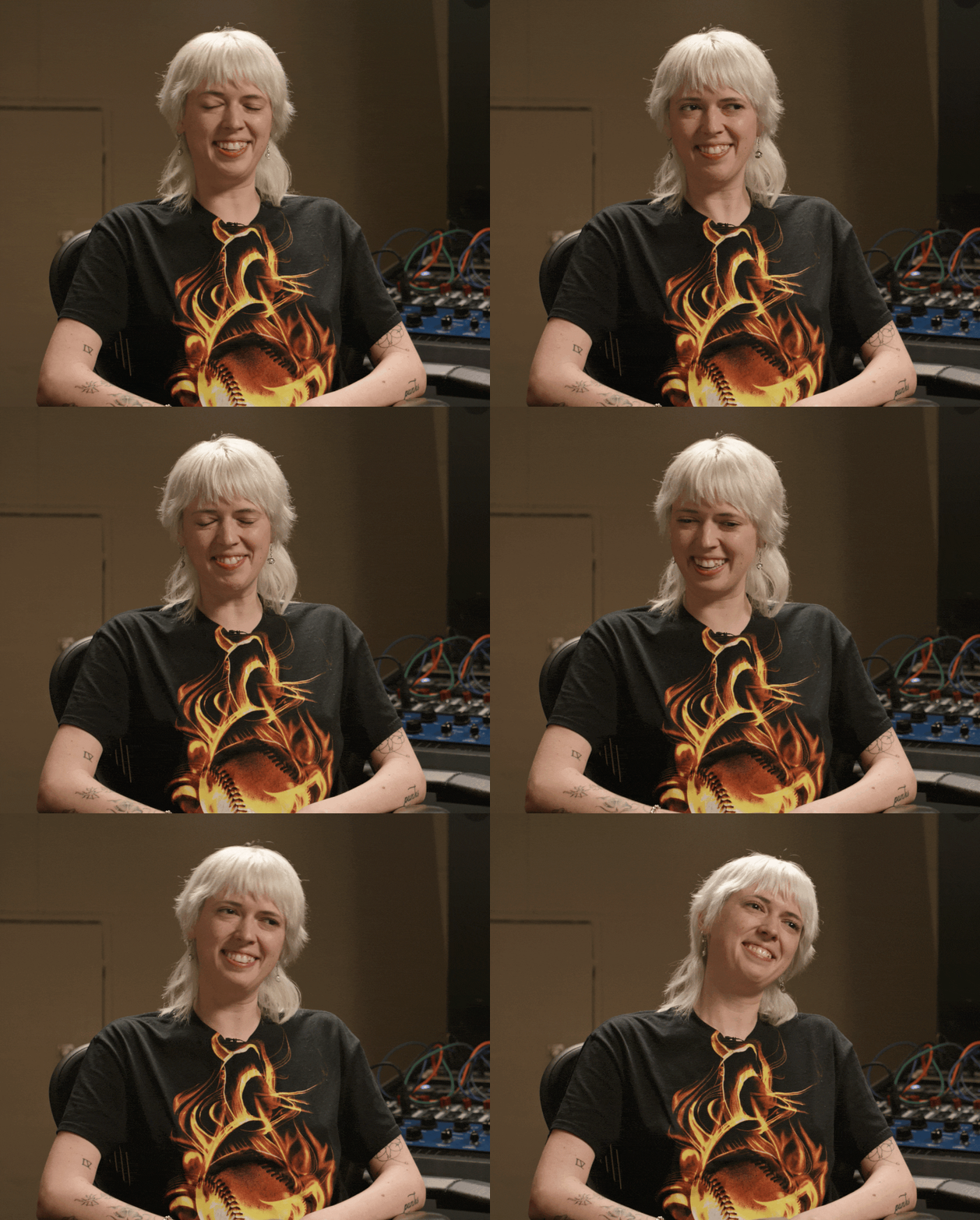


The Human Element
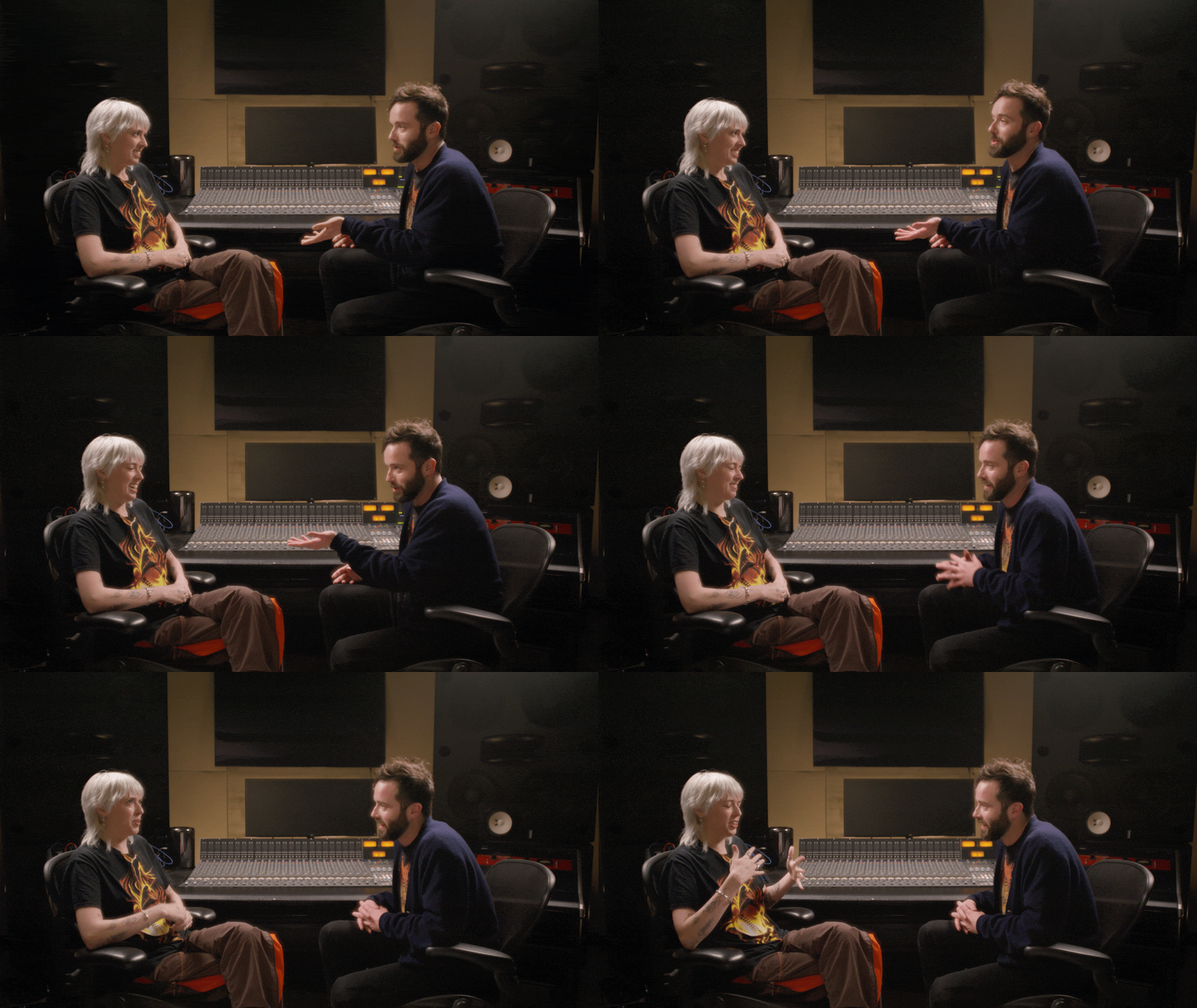
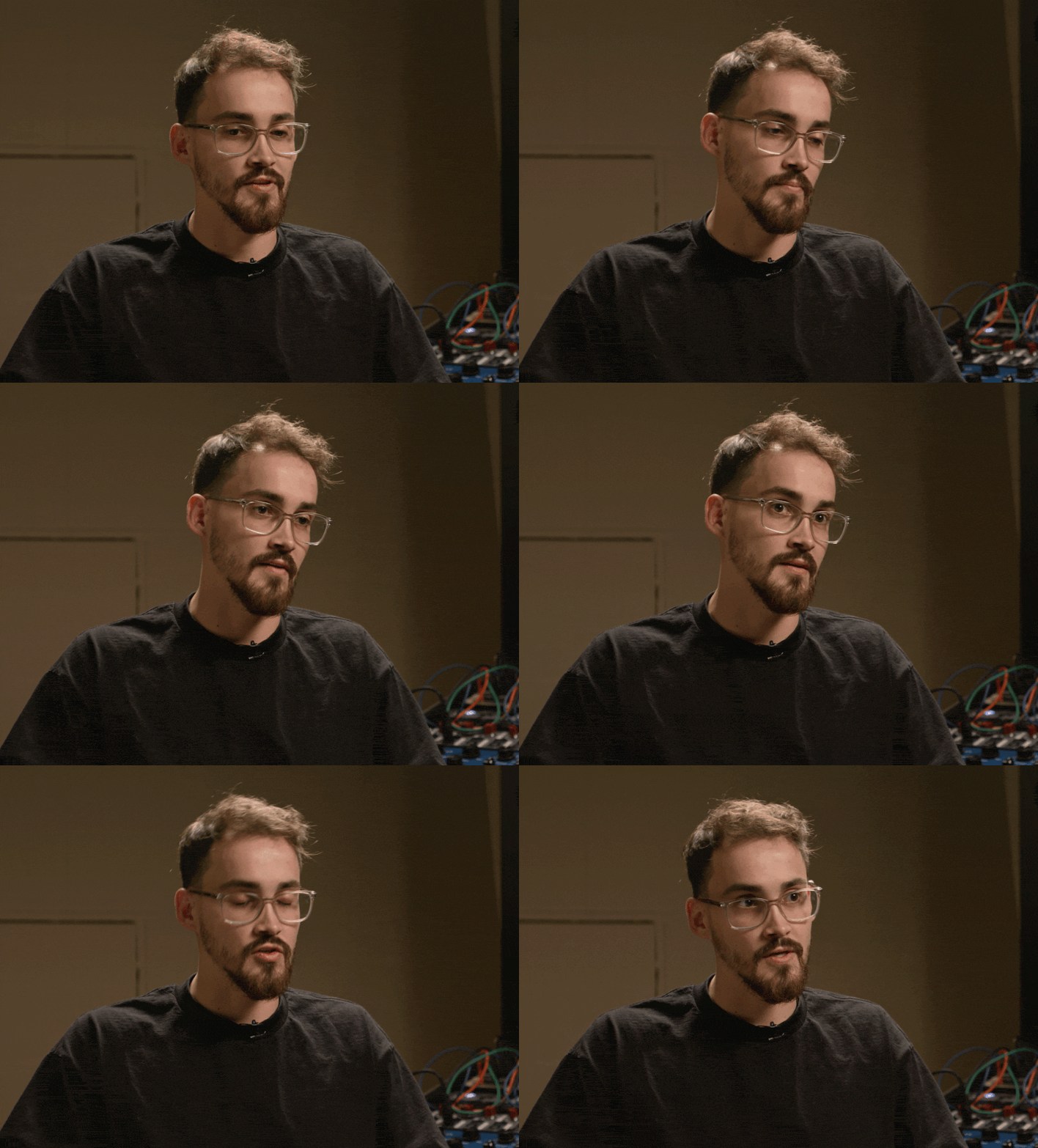
In this video from Unit 2, The Recording Engineer, Drew Sliger discusses the human side of recording, emphasizing communication, empathy, and trust as essential skills in the studio. He explains how engineers support artists by creating comfortable, focused environments that help capture authentic performances and serve the song’s creative vision.
Copyright 101
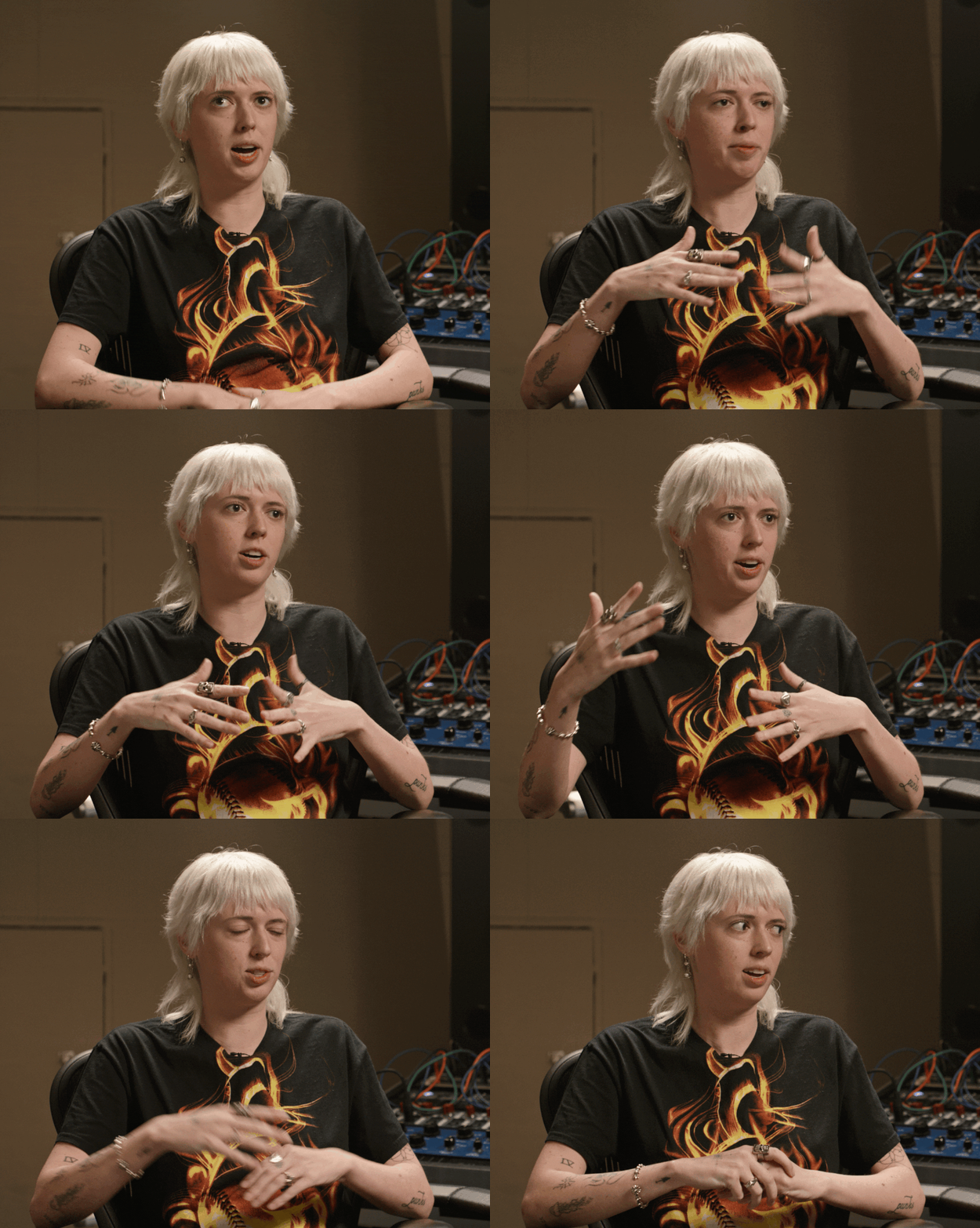
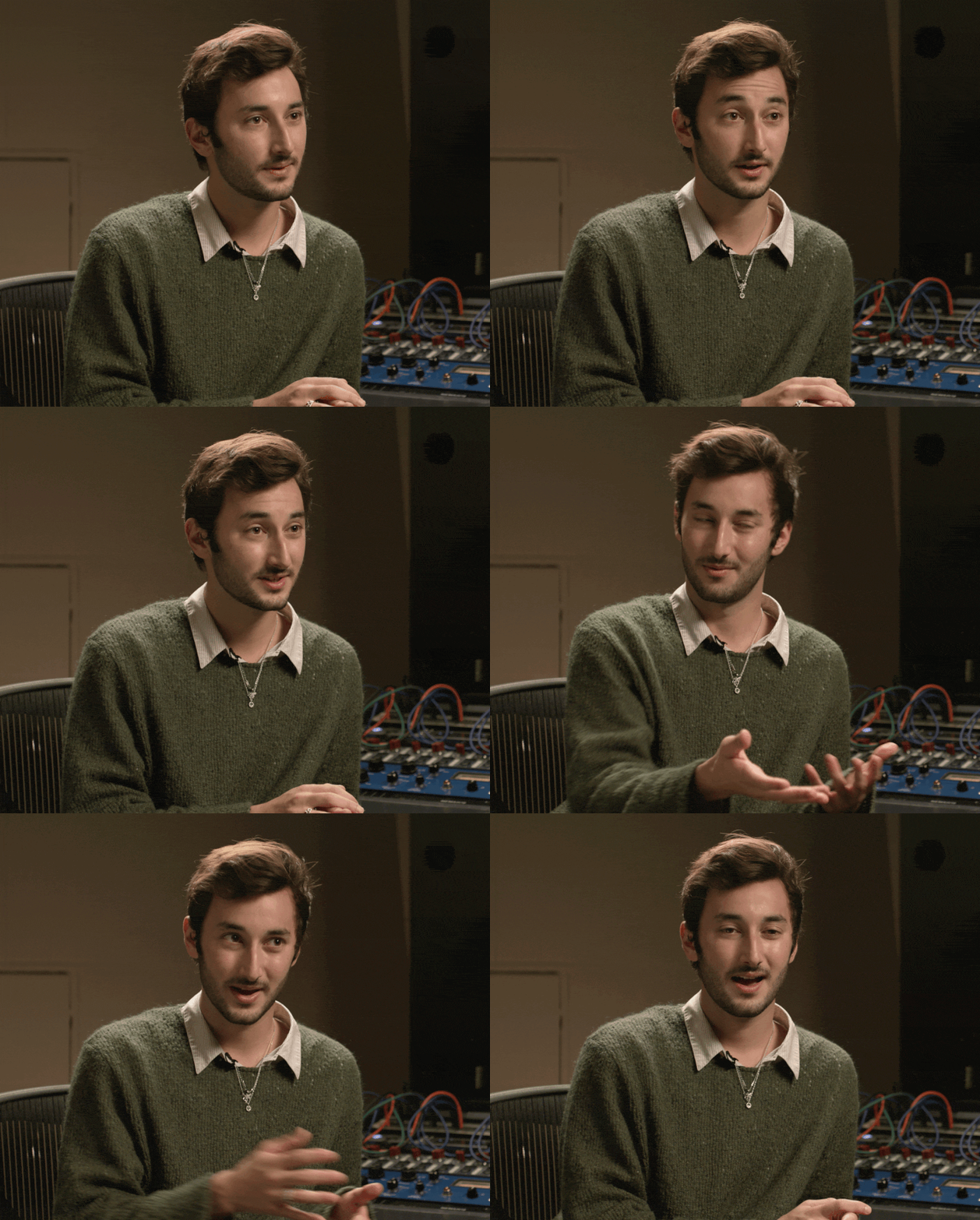
In this video from Unit 3, Copyright, Hanna Hicks breaks down what copyright means in the music industry, framing it as a form of intellectual property ownership. She explains the difference between publishing and master recording copyrights, and how each can be monetized in distinct ways.
Unmatched Teacher Resources & Support
Teachers receive a comprehensive, digital Teacher’s Handbook to help set up and maintain a productive atmosphere where students feel safe to explore their creativity, respond to peers’ work, and connect their projects to the world around them.
The handbook includes:
Detailed pacing guide
Scaffolding for projects and reflections
Pedagogy guides
Curriculum implementation recommendations